
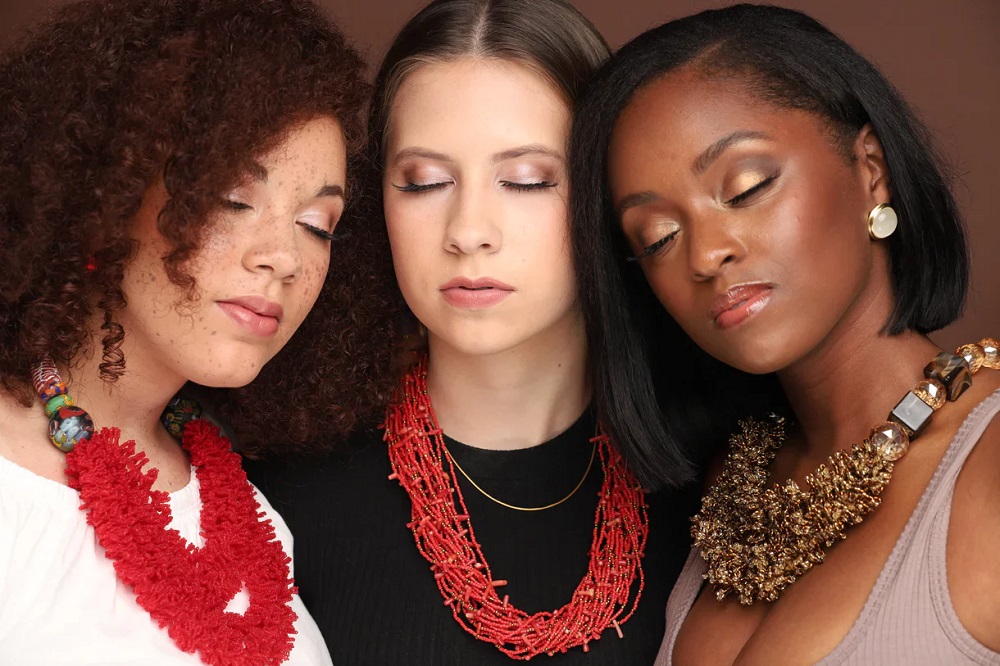
Personal style often speaks long before someone says a single word. Clothing forms the foundation, but accessories create the signature. A carefully selected watch, a structured handbag, or a striking pair of earrings can communicate confidence, creativity, professionalism, or individuality without explanation.
Accessories function as visual language. They help people express identity, mood, cultural awareness, and intention. The most memorable wardrobes are rarely built on clothing alone. Instead, they rely on bold accessory choices that quietly but powerfully shape how others perceive the wearer.
This article explores how statement accessories define personal style and how to choose pieces that communicate authenticity and confidence.
Why Accessories Matter More Than Most People Think
Accessories are not decorative afterthoughts. They are strategic elements that shape visual storytelling.
They can:
- Elevate simple outfits instantly
- Signal personality traits
- Highlight creativity and taste
- Reflect cultural awareness
- Add structure and balance to silhouettes
- Communicate confidence without excess effort
A plain outfit paired with thoughtful accessories often looks more intentional than a complex outfit without them.
Strong accessories act as anchors. They create memory points that make a look recognizable.
Statement Jewelry That Signals Confidence and Identity
Jewelry is one of the fastest ways to communicate personality through style. It sits close to the face and hands, which naturally draw attention during conversation and movement.
Statement jewelry can express:
- Boldness
- elegance
- artistic taste
- cultural heritage
- minimalism
- rebellion
Earrings That Frame Presence
Large hoops, sculptural earrings, or asymmetrical pieces immediately influence how a face is perceived. They create rhythm and direction in visual focus.
People who prefer bold earrings often communicate openness and confidence.
Minimal studs, meanwhile, suggest precision and restraint.
Necklaces That Shape Identity
Layered chains can communicate modernity. A single pendant can signal sentimentality. A sculptural collar necklace can project authority.
Necklaces interact with posture and neckline choices, making them powerful visual tools.
Rings That Reflect Personal Narrative
Rings are subtle but expressive. Stackable rings suggest experimentation. A signature ring worn daily communicates consistency and identity.
Jewelry works best when it aligns with lifestyle rather than trends alone.
Watches That Represent Discipline and Intentional Living
A watch is one of the most meaningful accessories a person can wear. It communicates reliability, structure, and personal standards.
Unlike other accessories, watches carry symbolic weight tied to time awareness and purpose.
Different watch styles communicate different impressions:
- Leather strap watches suggest refinement
- Metal bracelets suggest confidence and stability
- Minimalist watches suggest clarity and efficiency
- Chronographs suggest technical curiosity
- Smartwatches suggest adaptability and awareness
People who consistently wear watches often appear more intentional in their presence.
A watch does not need to be expensive to be impactful. It only needs to be consistent with the wearer’s identity.
Handbags and Carry Pieces That Reveal Lifestyle Priorities
A bag is not just functional. It is one of the strongest indicators of daily habits and priorities.
The size, structure, and material communicate organization style and movement patterns.
Structured Bags Suggest Control
Structured bags often communicate:
- professionalism
- clarity
- reliability
- strong boundaries
They pair well with tailored wardrobes and intentional styling.
Crossbody Bags Suggest Practical Confidence
Crossbody bags communicate movement and independence. They signal comfort with active routines and efficiency.
They also suggest a preference for hands free functionality.
Oversized Totes Suggest Preparedness
Large bags often communicate readiness and multitasking ability. They are associated with creative professionals, students, and travelers.
Each bag shape contributes to personal storytelling.
Footwear That Anchors the Entire Look
Shoes influence posture, pace, and presence. They shape how someone moves through space.
Footwear choices communicate energy level and intention.
Examples include:
- Loafers suggesting competence and stability
- Sneakers suggesting adaptability and ease
- Boots suggesting strength and confidence
- Heels suggesting structure and authority
People often remember footwear more than expected because it influences movement patterns.
Shoes ground the visual message of an outfit.
Scarves That Add Dimension Without Effort
Scarves are versatile tools for shaping visual identity. They add texture, movement, and layering depth without overwhelming an outfit.
They can communicate:
- creativity
- heritage awareness
- warmth and comfort
- elegance
- artistic experimentation
A silk scarf tied at the neck suggests refinement. A loosely draped wool scarf suggests comfort and relaxed confidence.
Scarves adapt easily across seasons, making them one of the most flexible accessories available.
Sunglasses That Shape First Impressions Instantly
Sunglasses influence facial perception more than most accessories. They reshape proportions and highlight personality preferences immediately.
Different frame styles communicate different moods:
- Aviators suggest confidence and classic taste
- Oversized frames suggest glamour
- Rectangular frames suggest modern clarity
- Cat eye shapes suggest bold individuality
Because sunglasses sit at eye level, they naturally control attention direction.
They are often the first accessory people notice outdoors.
Belts That Quietly Define Structure and Authority
Belts are often underestimated. However, they influence silhouette clarity and visual balance more than expected.
A belt communicates intention in styling.
Examples include:
- Wide belts creating strong waist definition
- Slim belts suggesting precision
- Statement buckles suggesting confidence
- Neutral belts supporting minimalism
Belts guide how clothing interacts with body shape. That makes them powerful tools for visual storytelling.
They create structure even in relaxed outfits.
Hats That Instantly Personalize a Look
Hats remain one of the boldest accessory choices because they influence height perception and silhouette identity.
Common examples include:
- Wide brim hats suggesting artistic presence
- Baseball caps suggesting casual confidence
- Fedoras suggesting classic awareness
- Beanies suggesting comfort and individuality
A hat signals intention immediately. It rarely goes unnoticed.
People who wear hats consistently often appear more style conscious and expressive.
Color Choices That Influence Emotional Perception
Accessories communicate through color just as strongly as through shape.
Color signals mood and intention.
Examples include:
- Black suggesting clarity and authority
- Brown suggesting reliability and warmth
- Gold suggesting confidence
- Silver suggesting precision
- Bright tones suggesting creativity
Choosing consistent accent colors helps build recognizable personal style.
Color repetition across accessories creates visual cohesion.
Texture Choices That Add Depth to Personal Style
Texture adds subtle complexity to outfits.
Examples include:
- Leather suggesting durability
- Silk suggesting elegance
- Metal suggesting strength
- Canvas suggesting practicality
- Wool suggesting comfort
Texture layering makes outfits appear intentional rather than accidental.
Combining textures strategically creates dimension without needing bold clothing choices.
How to Build a Signature Accessories Strategy
Building a recognizable accessories style does not require large collections. It requires consistency.
Helpful strategies include:
- Choosing two signature metals
- Selecting one primary bag structure
- Repeating one accent color
- Maintaining consistent watch styling
- Investing in one statement jewelry category
Consistency builds familiarity. Familiarity builds identity.
Accessories become powerful when they reflect personal habits rather than temporary trends.
FAQ Section
How many statement accessories should someone wear at once
Two to three strong accessories usually create balance. More than that can compete visually unless styling is intentionally expressive.
Can accessories replace expensive clothing in creating strong style
Yes. Thoughtful accessories often elevate simple clothing more effectively than expensive garments alone.
How do accessories influence professional impressions
Structured accessories like watches, belts, and handbags communicate reliability and organization in professional environments.
Should accessories match each other exactly
Exact matching is not necessary. Coordinated tones and textures create a more natural appearance than identical pieces.
Are bold accessories suitable for minimalist wardrobes
Yes. Bold accessories often become the focal point in minimalist styling and enhance overall visual clarity.
How often should someone update their accessories collection
Updating once or twice per year is usually enough to maintain freshness without losing identity consistency.
What is the easiest accessory to start experimenting with
Watches, scarves, and sunglasses are the easiest entry points because they influence appearance strongly without requiring wardrobe changes
