
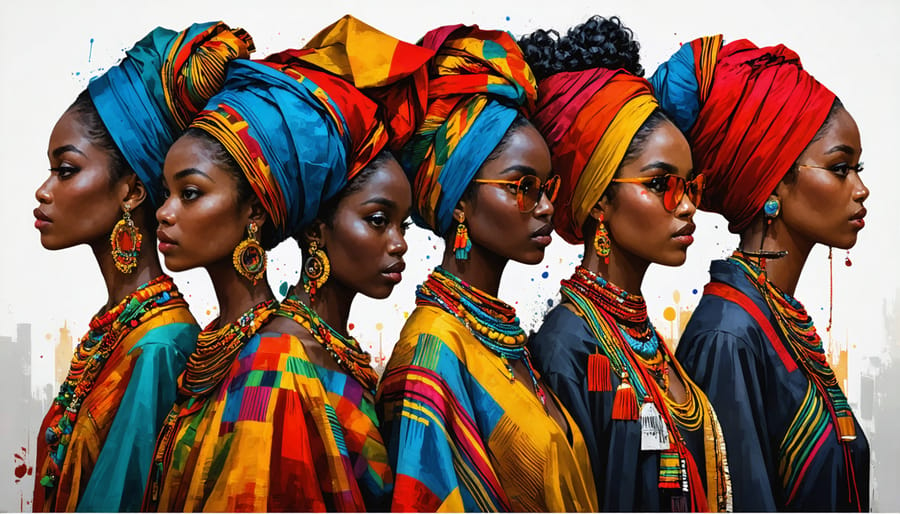
Cultural accessories have become one of the most powerful forces shaping modern fashion identity. Across cities, runways, social platforms, and everyday wardrobes, accessories rooted in heritage traditions are redefining how people express individuality, belonging, and creativity. These pieces are not simply decorative. They carry stories, symbolism, craftsmanship, and historical meaning that connect past generations to contemporary style movements.
Today’s global fashion landscape reflects a growing appreciation for authenticity. As a result, cultural accessories are no longer limited to ceremonial use or regional expression. They now influence mainstream styling, luxury design, and street fashion worldwide.
Understanding how cultural accessories shape modern fashion identity helps explain why today’s trends feel more diverse, layered, and globally connected than ever before.
Why Cultural Accessories Matter in Modern Fashion Identity
Accessories rooted in culture provide visual language that communicates heritage without explanation. They allow wearers to express identity in subtle yet powerful ways.
Cultural accessories influence fashion identity by:
- Preserving traditional craftsmanship
- Connecting generations through symbolic design
- Encouraging cross cultural creativity
- Supporting artisan communities
- Challenging uniform global fashion standards
- Expanding representation in mainstream style
Modern fashion is increasingly shaped by personal storytelling rather than strict trend rules. Cultural accessories support that shift by making style more meaningful.
Jewelry Traditions Influencing Global Style Direction
Traditional jewelry has become one of the strongest cultural influences in global fashion identity today. Designers regularly draw inspiration from heritage shapes, materials, and symbolism to create modern interpretations.
Examples include:
- Indian jhumka earrings inspiring statement drop silhouettes
- African beadwork influencing layered necklace styling
- Native turquoise jewelry shaping gemstone layering trends
- Middle Eastern gold stacking styles inspiring maximalist aesthetics
These jewelry traditions emphasize texture, symbolism, and craftsmanship rather than mass produced uniformity.
Consumers today are increasingly choosing jewelry that carries meaning rather than decoration alone.
Headwear as a Cultural Identity Statement in Fashion
Headwear plays a central role in many cultures and continues to influence global styling approaches.
Examples include:
- Turbans expressing heritage and spiritual identity
- Latin American woven hats highlighting regional craftsmanship
- West African gele headwraps influencing dramatic silhouette styling
- Silk headscarves shaping modern minimalist layering techniques
Modern stylists often reinterpret these pieces in contemporary wardrobes while maintaining respect for their cultural significance.
Headwear instantly transforms a look because it alters posture, silhouette, and visual balance.
Textile Accessories Bringing Cultural Stories Into Everyday Fashion
Textile accessories are among the most influential cultural contributions to modern fashion styling. Scarves, shawls, wraps, and embroidered panels carry generations of artistic knowledge.
These textiles often communicate:
- regional identity
- climate adaptation
- ceremonial tradition
- family lineage
- community craftsmanship
Examples include Kashmiri pashmina scarves influencing luxury layering worldwide and Indonesian batik patterns inspiring global print design trends.
Because textiles combine color, pattern, and movement, they shape outfit structure more dramatically than many other accessories.
Cultural Bags Supporting Craftsmanship Revival in Fashion
Handcrafted cultural bags are increasingly visible in global fashion markets. These pieces combine function with heritage storytelling.
Common influences include:
- Moroccan woven basket bags shaping summer styling aesthetics
- Guatemalan textile handbags supporting heritage weaving traditions
- Japanese kinchaku bags influencing minimalist accessory design
- African woven totes shaping sustainable fashion conversations
Consumers today often seek accessories that reflect ethical sourcing and artisan collaboration. Cultural bags meet both expectations.
They bring authenticity into everyday wardrobes without requiring dramatic styling changes.
Footwear Traditions Influencing Contemporary Street Style
Traditional footwear continues to influence global fashion identity through reinterpretation and adaptation.
Examples include:
- Leather sandals inspired by Mediterranean craftsmanship
- Embroidered footwear influenced by Central Asian traditions
- Moccasin inspired silhouettes shaping casual luxury styling
- Hand stitched slippers influencing comfort driven design
Footwear rooted in heritage often prioritizes durability and climate suitability. Modern designers adapt those strengths for contemporary lifestyles.
As a result, traditional silhouettes frequently return as seasonal highlights in global fashion cycles.
Belt Designs and Waist Accessories Reflecting Cultural Symbolism
Belts have historically carried symbolic meaning across many cultures. Today they remain influential in shaping silhouette structure and styling language.
Examples include:
- Hand woven waist sashes from Latin American traditions
- Beaded belts inspired by African ceremonial dress
- Embroidered waist wraps influenced by Eastern European heritage
These accessories shape how garments interact with body proportions while preserving cultural identity through craftsmanship.
Waist accessories often serve as visual anchors that organize layered outfits.
Cultural Hair Accessories Expanding Representation in Global Styling
Hair accessories rooted in tradition are gaining renewed attention in fashion communities worldwide.
Examples include:
- Decorative hairpins inspired by East Asian styling traditions
- Braided bead accents rooted in African heritage
- Floral hair accessories influenced by South Asian ceremonial dress
These accessories highlight individuality while supporting visibility of diverse beauty traditions.
Hair styling has become an important area where cultural identity and fashion innovation intersect.
Social Media Accelerating Cultural Accessory Influence Worldwide
Digital platforms have transformed how cultural accessories spread across fashion communities. Previously regional designs can now influence global audiences within days.
Social media supports cultural accessory visibility by:
- highlighting artisan craftsmanship
- sharing heritage styling techniques
- encouraging cross cultural appreciation
- supporting small makers and communities
- educating audiences about symbolism and meaning
As exposure increases, consumers become more aware of the origins behind accessories they choose to wear.
This awareness strengthens respect for cultural craftsmanship.
Ethical Awareness Strengthening Cultural Accessory Appreciation
Modern consumers increasingly care about the story behind what they wear. Cultural accessories often provide transparency through handmade production methods and identifiable regional origins.
Ethical considerations shaping accessory choices include:
- artisan compensation
- preservation of traditional skills
- sustainable materials
- community collaboration
- cultural respect
Fashion identity today reflects values as much as aesthetics. Cultural accessories support both.
They allow people to participate in fashion while supporting heritage preservation.
Cultural Accessories Encouraging Personal Identity Expression
Cultural accessories help individuals express identity in ways that clothing alone cannot achieve. They communicate belonging, curiosity, respect, and storytelling.
Examples include:
- wearing heritage jewelry to celebrate ancestry
- incorporating textile accessories into everyday outfits
- supporting artisan made pieces from global communities
- blending multiple cultural influences in personal styling
Fashion identity today is no longer defined by geography alone. Instead, it reflects movement, experience, and connection.
Cultural accessories make that expression visible.
The Role of Designers in Integrating Cultural Accessories Into Global Trends
Contemporary designers play an important role in bringing cultural accessories into mainstream fashion conversations. Many collaborate directly with artisans to ensure authenticity and fair representation.
Responsible integration includes:
- acknowledging cultural origins
- supporting traditional craftsmanship
- avoiding imitation without context
- highlighting artisan contributions
These partnerships strengthen global appreciation for heritage design techniques.
They also ensure cultural accessories remain respected rather than reduced to temporary trends.
How Cultural Accessories Shape Future Fashion Identity
The future of fashion identity is increasingly collaborative and multicultural. Cultural accessories contribute to this shift by expanding visual language across regions and generations.
As consumers continue seeking meaning in what they wear, heritage rooted accessories will remain central to style development.
They offer depth, authenticity, and individuality in ways mass produced trends cannot replicate.
Cultural accessories are not simply influences. They are foundations shaping the direction of global fashion identity today.
FAQ Section
Why are cultural accessories becoming more visible in modern fashion
Greater global communication, travel, and digital sharing have increased awareness of heritage craftsmanship and encouraged designers to incorporate diverse influences.
How can someone respectfully wear accessories from another culture
Learning about the accessory’s meaning, origin, and traditional use helps ensure respectful styling rather than imitation without understanding.
Are cultural accessories considered timeless fashion pieces
Many cultural accessories remain relevant across generations because they carry historical significance and durable craftsmanship techniques.
Do cultural accessories influence luxury fashion brands
Yes. Many luxury designers collaborate with artisans and incorporate heritage techniques into modern collections.
Can cultural accessories be worn with contemporary clothing
They often enhance contemporary outfits by adding texture, symbolism, and visual contrast without overwhelming the overall look.
Why do handmade accessories hold stronger cultural value than mass produced versions
Handmade accessories preserve traditional techniques, support artisan communities, and maintain authentic design elements passed through generations.
Are younger generations contributing to cultural accessory revival
Younger consumers actively support heritage fashion through ethical purchasing choices and digital storytelling that highlights artisan traditions
