
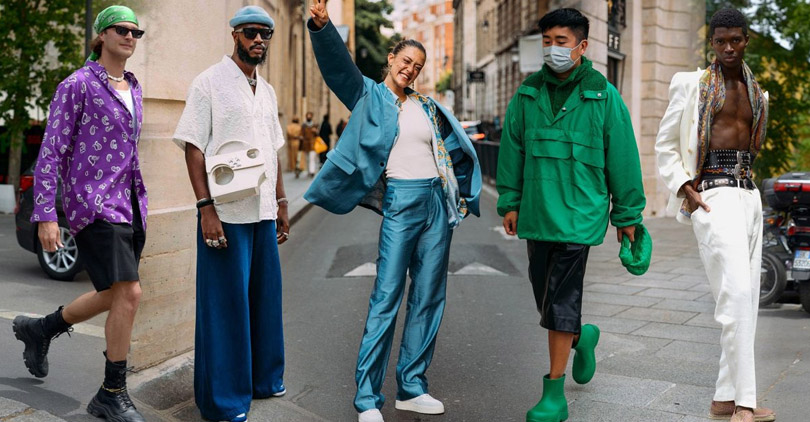
Fashion is never static. It evolves with culture, technology, economics, and identity. Each generation reshapes clothing trends based on its values, experiences, and social environment. What one era considers essential style may feel outdated to the next, yet many trends eventually return with new meaning and updated structure.
Understanding how clothing trends change across fashion generations reveals more than aesthetic shifts. It shows how society expresses progress, individuality, and belonging through what people wear. Generational style differences reflect deeper transformations in communication, work habits, technology, and cultural influence.
Today’s fashion landscape blends elements from multiple decades at once. This layered approach makes generational trend shifts especially important for understanding how style continues to evolve.
What Defines A Fashion Generation
A fashion generation is not simply tied to age. It reflects shared experiences that shape attitudes toward clothing and self expression.
These influences often include:
- economic conditions
- technology access
- cultural movements
- music and entertainment trends
- political climates
- workplace expectations
- social media environments
Because these factors differ across time periods, clothing styles shift accordingly.
Fashion becomes a visual record of how people interpret their world.
Post War Practicality Shaping Early Modern Fashion Identity
In the years following World War II, clothing trends reflected stability and structure. People prioritized durability, modesty, and practicality. Fashion symbolized rebuilding and optimism.
Common characteristics included:
- tailored silhouettes
- structured jackets
- full skirts
- polished footwear
- neutral color palettes
Clothing during this era emphasized presentation and social respectability. Dressing well signaled responsibility and confidence.
Mass manufacturing also began expanding during this time, making fashion more accessible to broader populations.
Youth Culture Revolutionizing Fashion In The 1960s And 1970s
The 1960s and 1970s introduced a dramatic shift toward youth driven style. Younger generations began influencing fashion rather than following traditions set by older groups.
Key style developments included:
- mini skirts
- bell bottom jeans
- bold prints
- relaxed silhouettes
- experimental color combinations
Fashion became a tool for social expression rather than social conformity.
Music culture, civil rights movements, and changing gender roles played major roles in shaping these clothing trends.
For the first time, clothing clearly reflected generational independence.
Power Dressing And Identity Expression In The 1980s
The 1980s marked a return to structure, but with a different purpose than earlier decades. Clothing reflected ambition, professional growth, and economic expansion.
Popular trends included:
- structured blazers
- shoulder pads
- bold colors
- statement accessories
- tailored trousers
This era emphasized visibility and authority in workplace environments.
Fashion became closely linked to career identity, especially as more women entered professional leadership roles.
Clothing communicated confidence and independence.
Casualization And Street Influence In The 1990s
The 1990s introduced relaxed silhouettes and street inspired aesthetics. Clothing became more comfortable and less formal than previous decades.
Common influences included:
- oversized denim
- plaid shirts
- minimalist basics
- casual sneakers
- layered styling
Music scenes played a major role in shaping fashion identity during this time.
Streetwear began influencing mainstream fashion in lasting ways that continue today.
This decade established comfort as a central design priority.
Technology And Minimalism Shaping Early 2000s Fashion
The early 2000s reflected rapid technological change. Fashion responded with experimentation, layering, and new interpretations of casualwear.
Key features included:
- layered tops
- denim focused styling
- fitted silhouettes
- logo centered branding
- sport inspired influences
Global communication through digital platforms began accelerating fashion trend circulation during this era.
Clothing styles started changing more quickly than in previous generations.
Fashion cycles shortened as a result.
Social Media Transforming Fashion Trends After 2010
After 2010, social media reshaped how trends spread and evolved. Instead of relying solely on designers and magazines, individuals became trend creators.
Important shifts included:
- rise of athleisure
- neutral color palettes
- oversized silhouettes returning
- sustainability awareness increasing
- mixing vintage and modern pieces
Fashion became more democratic and accessible.
Consumers began participating directly in trend development rather than simply observing it.
Personal identity became central to clothing decisions.
Sustainability Influencing Modern Generational Fashion Choices
Environmental awareness now shapes clothing preferences more strongly than ever before.
Younger generations increasingly prioritize:
- long lasting garments
- ethical production transparency
- recycled materials
- vintage clothing reuse
- capsule wardrobe building
These priorities represent a major shift away from purely trend driven consumption.
Fashion identity today reflects values as well as aesthetics.
Sustainability is expected to remain a defining influence in future clothing trends.
Technology Accelerating Trend Cycles Across Generations
Digital communication has dramatically shortened fashion trend timelines.
Modern technology enables:
- instant global trend sharing
- rapid product releases
- digital styling communities
- virtual fashion inspiration platforms
- direct designer consumer interaction
Because trends now circulate quickly, generational differences sometimes overlap rather than replace one another.
People often adopt styles from multiple decades simultaneously.
This creates a layered fashion environment rather than a linear timeline.
Cultural Diversity Expanding Global Fashion Influence
Earlier fashion generations often followed regional trends. Today’s fashion landscape reflects global collaboration.
Cultural exchange influences:
- textile selection
- silhouette experimentation
- accessory styling
- color usage
- layering techniques
Global access to diverse design traditions strengthens creativity across generations.
Fashion identity now reflects cultural appreciation alongside personal expression.
Workplace Changes Reshaping Generational Clothing Expectations
Professional dress codes have evolved significantly across generations.
Modern workplaces increasingly support:
- smart casual styling
- flexible dress expectations
- comfort focused tailoring
- hybrid work wardrobes
- adaptable layering systems
These changes influence how younger generations approach clothing decisions.
Professional style now balances comfort with structure rather than prioritizing formality alone.
This shift reflects broader workplace culture transformation.
Gender Expression Expanding Fashion Freedom Across Generations
Recent generations increasingly view clothing as a tool for identity exploration rather than strict category alignment.
Modern fashion supports:
- fluid silhouettes
- neutral color palettes
- cross category styling
- personalized layering combinations
- flexible accessory choices
These developments represent one of the most significant generational changes in clothing history.
Fashion now reflects individuality rather than uniform expectations.
Why Older Trends Continue Returning In Modern Fashion
Fashion trends rarely disappear permanently. Instead, they return with updated interpretation.
Trend revival happens because:
- nostalgia influences creativity
- vintage clothing remains accessible
- sustainability encourages reuse
- designers reinterpret historical silhouettes
- younger generations rediscover past aesthetics
These cycles allow fashion to remain both familiar and innovative at the same time.
Trend repetition strengthens continuity across generations.
How Generational Identity Shapes Personal Style Today
Modern wardrobes rarely reflect a single decade influence. Instead, they combine elements from multiple eras.
Examples include:
- pairing vintage denim with modern footwear
- mixing structured jackets with relaxed basics
- combining classic tailoring with athletic elements
- blending heritage fabrics with contemporary silhouettes
This hybrid approach reflects increased access to fashion history and inspiration.
Generational style today is flexible rather than fixed.
Personal expression has become the strongest trend of all.
FAQ Section
Why do fashion trends repeat across generations
Trends return because designers reinterpret historical styles while adapting them to modern materials and lifestyles.
How does music influence generational clothing trends
Music shapes youth identity and social movements, which often translate into recognizable clothing styles within each era.
Do economic conditions affect fashion trends
Yes. Economic shifts influence fabric choices, garment durability preferences, and spending priorities across generations.
Why do younger generations prefer oversized clothing styles
Oversized silhouettes often reflect comfort priorities and contemporary interpretations of relaxed identity expression.
How do celebrities influence generational fashion changes
Celebrities introduce new styling combinations that quickly reach global audiences through digital platforms.
Are workplace dress codes still influencing clothing trends
Yes. Changes in workplace expectations strongly affect everyday wardrobe structure across generations.
How does vintage clothing shape modern fashion identity
Vintage garments allow individuals to explore historical aesthetics while supporting sustainability and personal storytelling through style choices
