
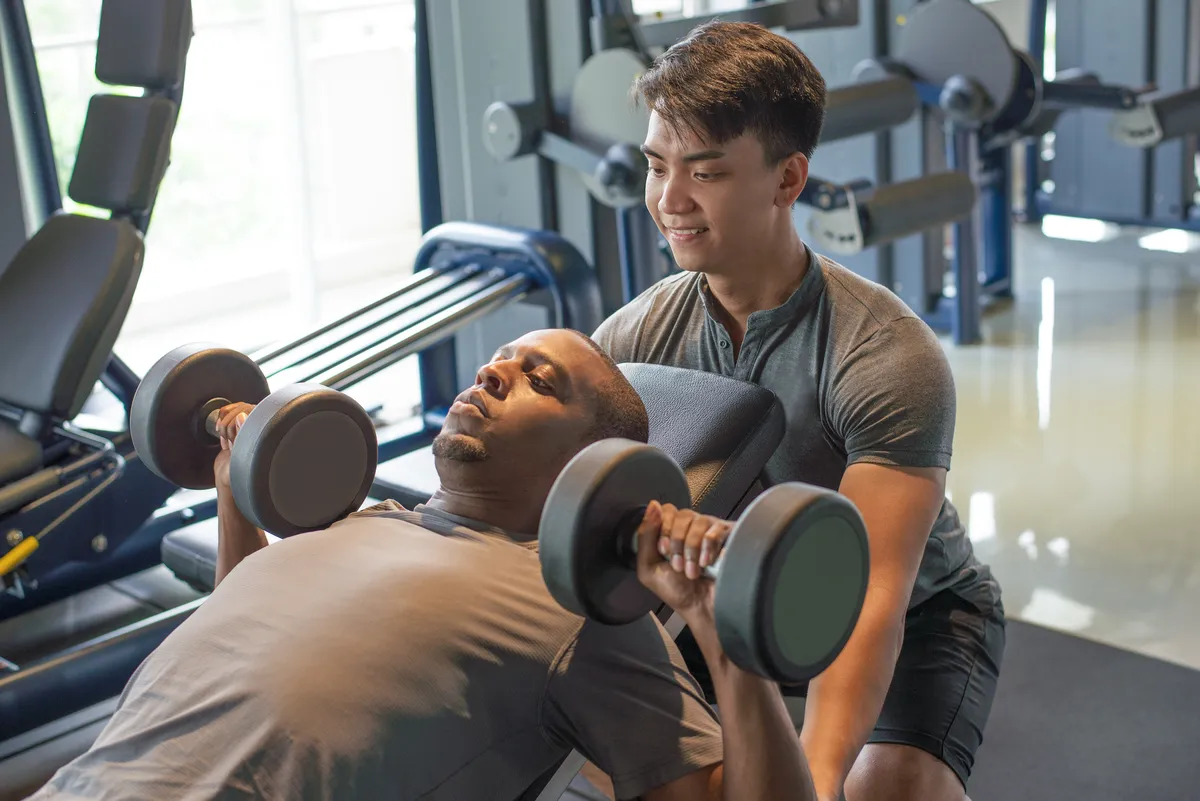
Fitness fashion has evolved far beyond looking good during workouts. In Singapore, where fast paced routines, warm weather and diverse training environments shape daily life, clothing and accessories influence comfort, performance and consistency. What people wear during training affects mobility, sweat control, stability and even mindset. As more adults explore structured fitness routines, the importance of smart apparel choices has become more noticeable.
Many individuals begin their journey with personal training singapore and quickly learn that the right clothing enhances movement quality and overall training experience. Fitness fashion is not about trends alone. It is about choosing pieces that support comfort, regulate temperature and provide freedom of movement. The right attire helps individuals train confidently whether they are working on strength, mobility, conditioning or movement drills.
Why Fitness Fashion Matters in Singapore’s Climate
Singapore’s humidity influences how the body reacts during exercise. Clothes that trap heat or sweat can cause discomfort, skin irritation and reduced performance. Lightweight fabrics, breathable materials and proper fit make a noticeable difference.
Key reasons fitness fashion matters:
-
Supports sweat evaporation
-
Prevents overheating
-
Improves mobility
-
Reduces skin irritation
-
Enhances comfort during long sessions
-
Encourages confidence and consistency
When clothing feels good, people move more freely and stay more focused throughout the session.
Choosing Breathable Fabrics for Active Sessions
Fabric selection influences comfort and performance. Breathable materials improve ventilation and reduce discomfort during intense exercises. Lightweight fabrics help manage sweat and maintain body temperature, which is especially important in Singapore’s climate.
Ideal fabrics include:
-
Moisture wicking blends
-
Breathable mesh panels
-
Stretch based synthetics
-
Lightweight cooling fabrics
These fabrics keep the skin dry and reduce friction during movement.
Finding the Right Fit for Your Body
Ill fitting clothing can restrict movement, create discomfort or distract from workouts. Choosing the right fit ensures mobility and enhances focus during training.
Key considerations:
-
Tops should allow full shoulder rotation
-
Bottoms should not restrict hip movement
-
Waistbands should remain stable during exercises
-
Sleeves should not ride up during dynamic movements
-
Clothing should support rather than compress excessively
Comfortable fit supports consistent training.
Footwear That Supports Your Training Style
Footwear is one of the most important components of fitness fashion. The right shoes provide stability, grip and support. In personal training, exercises often include strength work, agility drills, mobility sequences and conditioning circuits. Each requires proper foot alignment.
Key footwear factors:
-
Flat stable soles for strength work
-
Cushioned soles for cardio based routines
-
Proper ankle support
-
Good grip on indoor floors
-
Breathable upper materials
Wearing inappropriate shoes may affect knee, hip or ankle mechanics.
Accessories That Improve Training Sessions
Fitness accessories complement clothing and provide functional benefits. Accessories help manage sweat, improve grip and enhance overall comfort.
Useful accessories:
-
Sweat absorbing wristbands
-
Lightweight towels
-
Headbands for regulating sweat
-
Breathable gloves for certain exercises
-
Hydration bottles for quick access
These tools make training smoother and more enjoyable.
Choosing Clothing for Strength Based Sessions
Strength training requires stability, posture awareness and ease of movement. Clothing should support these elements by providing a firm yet comfortable structure.
Suitable options include:
-
Fitted but stretchy tops
-
Stable leggings or shorts
-
Supportive sports bras
-
Non restrictive bottoms
Clothing should allow trainers to observe alignment clearly to correct form where needed.
Dressing for Mobility and Flexibility Work
Mobility sessions involve stretching, rotating and lengthening muscles. Clothing must support full range of motion without bunching or restricting.
Key choices:
-
Stretchable leggings
-
Soft breathable tops
-
Loose but functional shorts
-
Fabrics with high elasticity
This ensures controlled and comfortable movement throughout the session.
Clothing for Cardio and Conditioning Drills
High intensity work generates more heat and sweat. Dressing smartly prevents overheating and supports efficient body cooling.
Appropriate choices:
-
Lightweight tank tops
-
Quick drying shirts
-
Breathable shorts
-
Moisture wicking fabrics
-
Sneakers with strong ventilation
These help maintain comfort during fast paced routines.
Layering for Temperature Control
Singapore is warm, but indoor environments such as gyms can be cooler. Layering provides flexibility without overheating or discomfort.
Useful layering strategies:
-
Light jacket for warm ups
-
Breathable outer layer for transitions
-
Easy to remove tops for intense intervals
Good layering supports comfort during different phases of training.
Finding Motivation Through Fitness Fashion
Fitness fashion also influences motivation. When people feel good about what they wear, they often feel more confident and more willing to push through challenging sessions. Clothing helps shape mindset and can create a sense of readiness for training.
Psychological benefits:
-
Enhances workout confidence
-
Encourages consistency
-
Creates a positive training routine
-
Reinforces personal identity and lifestyle
Motivation is a significant factor in maintaining long term fitness results.
Sustainable and Long Lasting Clothing Choices
Sustainability is growing in importance among Singapore residents. Choosing long lasting pieces that withstand frequent washing and intense workouts is essential.
Factors to consider:
-
Durability of fabric
-
Quality of stitching
-
Resistance to colour fading
-
Fit retention over time
-
Breathability after multiple washes
These choices reduce waste and support long term value.
How Personal Trainers Guide Clients on Fitness Fashion
Trainers understand how clothing influences movement quality and often advise clients on suitable attire for different training styles. This ensures safety, comfort and performance throughout the session.
Trainers may guide on:
-
Ideal footwear for form stability
-
Clothing choices for mobility
-
Proper support for high intensity sessions
-
Breathable materials for humid days
-
Accessories that enhance performance
This guidance creates a more enjoyable training environment.
Long Term Benefits of Smart Fitness Fashion
Consistently choosing the right clothing supports better performance, improved comfort and fewer distractions. Over time, individuals feel more confident, more comfortable and more prepared for each session. Fitness fashion becomes part of a sustainable lifestyle.
Many personal training facilities recognise the influence of apparel on training quality. Fitness centres such as True Fitness Singapore support clients by creating environments that complement comfortable and practical clothing choices.
FAQ
Q1. Do I need expensive clothing for personal training?
No. Comfort, breathability and fit matter more than brand or price.
Q2. What should I wear if I am new to training?
Choose comfortable, breathable clothes that allow complete range of motion.
Q3. Should footwear be different for strength training and cardio?
Yes. Strength training benefits from stable soles, while cardio requires cushioning and flexibility.
Q4. How often should I replace workout clothing?
Replace clothing when the fabric loses elasticity or comfort.
Q5. Does fitness fashion really improve performance?
Yes. Proper clothing supports movement, reduces discomfort and enhances confidence during training.
