
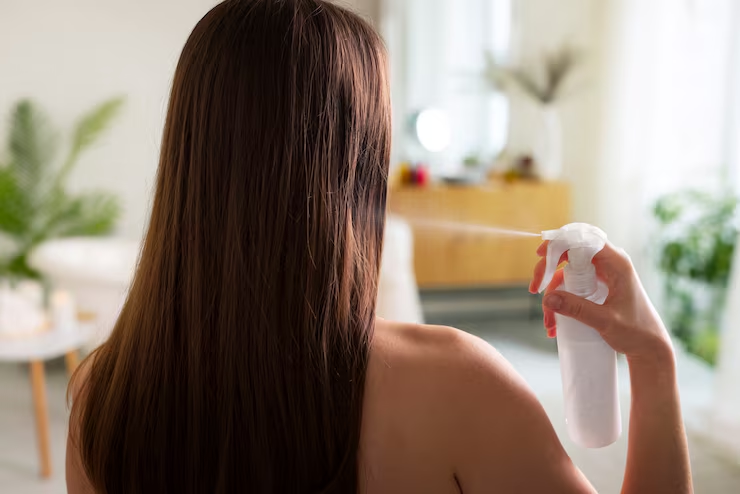
Hair styling products can help you achieve sleek, polished, or voluminous hairstyles, but frequent use may have an unexpected effect on your scalp. Gels, waxes, sprays, mousses, and dry shampoos can gradually accumulate on the scalp, creating build-up that may contribute to irritation, oiliness, and visible flakes.
Many people mistake these flakes for dandruff alone, when in reality scalp build-up can worsen existing dandruff symptoms or make the scalp environment less healthy. Understanding how styling products affect your scalp—and adopting the right cleansing routine—can help keep flakes under control while supporting overall scalp health.
Why Hair Styling Products Can Cause Scalp Build-Up
Hair styling products contain ingredients designed to coat the hair shaft, provide hold, reduce frizz, or add texture. While these benefits can improve the appearance of your hair, residue from these products may remain on the scalp after washing.
Over time, styling product residue can mix with:
- Excess scalp oil (sebum)
- Sweat
- Dead skin cells
- Environmental pollutants
This combination can create a layer of build-up that sits on the scalp surface. In some cases, build-up may lead to itchiness, discomfort, and flakes that resemble dandruff.
People who use multiple styling products daily or frequently rely on dry shampoo may be more prone to scalp residue accumulation.
Key Takeaways
- Styling products can leave residue on the scalp.
- Build-up often combines with oil, sweat, and dead skin cells.
- Excess residue may contribute to itching and visible flakes.
- Regular scalp cleansing is important for maintaining scalp health.
How Scalp Build-Up Can Worsen Flaking
A healthy scalp naturally sheds skin cells. However, when product residue accumulates, it can interfere with normal scalp processes.
Build-up may trap oil and dead skin cells against the scalp, making flakes more noticeable. It can also create an environment where dandruff-related concerns become more difficult to manage.
Individuals already experiencing dandruff may notice that symptoms seem worse when styling products are not thoroughly removed. This is why maintaining a consistent cleansing routine is just as important as choosing the right styling products.
Key Takeaways
- Build-up can make scalp flakes more visible.
- Residue may trap oil and dead skin cells.
- Existing dandruff symptoms can appear worse when build-up accumulates.
- Consistent cleansing helps support a healthier scalp environment.
How to Exfoliate Scalp
Understanding how to exfoliate scalp safely can help remove excess residue and dead skin cells that may contribute to flaking.
Scalp exfoliation does not need to be harsh. Gentle approaches are often the most effective. You can support your scalp care routine by:
- Massaging the scalp thoroughly while shampooing
- Using products specifically designed to remove excess build-up
- Avoiding aggressive scratching with fingernails
- Washing regularly according to your hair and scalp needs
Many people include periodic scalp exfoliation as part of their haircare routine to help lift stubborn residue and maintain a cleaner scalp surface.
If you experience recurring dandruff, using an anti-dandruff shampoo formulated with proven active ingredients can also help address the factors associated with scalp flaking.
Key Takeaways
- Learning how to exfoliate scalp correctly can help reduce residue.
- Gentle cleansing is preferable to aggressive scrubbing.
- Scalp exfoliation may support the removal of excess build-up.
- Anti-dandruff shampoos can complement scalp care efforts.
How to Wash Hair Properly
Knowing how to wash hair properly is one of the simplest ways to prevent styling product build-up. Many people focus on cleansing the hair strands while overlooking the scalp. Effective washing starts at the roots and scalp, where oils and residue accumulate.
When shampooing:
- Thoroughly wet the hair and scalp.
- Apply shampoo directly to the scalp.
- Massage gently using your fingertips.
- Rinse completely.
- Repeat if heavy styling products have been used.
For individuals dealing with recurring dandruff, a shampoo containing Piroctone Olamine can help cleanse the scalp while targeting dandruff-related concerns. Products such as Head & Shoulders Cool Menthol Shampoo combine anti-dandruff protection with a refreshing cooling sensation, helping to remove impurities while leaving the scalp feeling clean and refreshed.
Following practical hair wash tips such as rinsing thoroughly and avoiding excessive product layering can further reduce build-up.
Key Takeaways
- Understanding how to wash hair properly helps prevent residue accumulation.
- Focus cleansing efforts on the scalp, not just the hair lengths.
- Thorough rinsing is essential for removing styling products.
- Anti-dandruff shampoos with Piroctone Olamine can support scalp health.
Choosing the Right Routine for a Flake-Free Scalp
Managing scalp flakes often requires a combination of good cleansing habits and thoughtful product use. Consider:
- Limiting unnecessary styling products
- Removing products completely at the end of the day
- Washing regularly based on your scalp type
- Using anti-dandruff shampoos consistently when dandruff is present
- Monitoring how your scalp responds to different products
A balanced routine can help minimise build-up while maintaining scalp comfort and hair manageability.
Key Takeaways
- Product moderation can reduce build-up.
- Consistent cleansing supports long-term scalp health.
- Anti-dandruff care works best when used regularly.
- Small routine changes can make a noticeable difference.
Final Thoughts
Hair styling products can be useful tools for achieving your preferred look, but residue left behind on the scalp may contribute to build-up and visible flakes. Understanding how to exfoliate scalp effectively and how to wash hair properly can help keep your scalp cleaner and more comfortable.
While dandruff cannot typically be removed permanently, long-term scalp care, regular cleansing, and the right products can help keep symptoms under control and support a healthier-looking scalp over time.
FAQs
1. Can hair styling products directly cause dandruff?
Styling products do not directly cause dandruff, but residue build-up can make flakes more noticeable and may worsen existing dandruff symptoms.
2. How often should I wash my hair if I use styling products daily?
This depends on your scalp type and product usage. Many people benefit from regular washing to prevent residue accumulation.
3. Is dry shampoo linked to scalp build-up?
Frequent use of dry shampoo without proper cleansing can contribute to scalp residue and build-up over time.
4. What ingredients should I look for in an anti-dandruff shampoo?
Ingredients such as Piroctone Olamine are commonly used in anti-dandruff shampoos to help manage dandruff-related concerns.
5. Can scalp build-up be mistaken for dandruff?
Yes. Product residue mixed with dead skin cells and oil can create flakes that resemble dandruff, making proper scalp cleansing especially important.
